
Designation of origin Menşe adı
All characteristics come essentially or exclusively from the region’s natural and human factors — and every stage (production, processing and preparation) takes place within the defined area.

Why Isparta rose and Isparta rose oil carry a geographical indication — and how that protects the authenticity, tradition and quality of what you buy.
A geographical indication (GI) is a sign that identifies a product as originating from a specific place, region or area, where a given quality, reputation or other characteristic of the product is essentially attributable to that geographical origin.
In Türkiye, geographical indications are protected under Industrial Property Law No. 6769 (in force since 10 January 2017) and are registered by the Turkish Patent and Trademark Office (TÜRKPATENT). Registration protects the name against imitation and misuse, and the product must be produced according to its registered specification.
All characteristics come essentially or exclusively from the region’s natural and human factors — and every stage (production, processing and preparation) takes place within the defined area.
A quality, reputation or other characteristic is identified with the region, and at least one of the production, processing or preparation stages takes place within the defined area.
Registered GI products must carry the official emblem: red for designations of origin, green for geographical indications of source. (Illustrative colours only)
Law No. 6769 also registers “traditional product names” (geleneksel ürün adı) — names traditionally used for at least 30 years that do not fall under the two types above.
The oil-bearing rose of Isparta is the Damask rose, Rosa damascena Mill. Rose cultivation in Isparta dates back to 1888, and the climate of the Lakes Region — mild days and the dew of the flowering season — supports flowers rich in fragrance and oil.
“Isparta Gülyağı” (Isparta Rose Oil) is registered with TÜRKPATENT as a designation of origin; the application was made by the Isparta Commodity Exchange. Its specification was also published in the Official Journal of the European Union in 2025 as part of the application for protection as a PDO in the EU.
Commonly cited ratio; actual yield varies with weather, altitude and harvest timing.
Rose gardens around Isparta prepare for bloom.
Blooming starts at lower altitudes (around 5–10 May).
Fully opened blossoms are hand-picked between about 06:00 and 10:00, while the morning is cool.
Blossoms are carried to the distilleries quickly so fragrance is not lost.
The highest gardens finish flowering around the start of July.
The name “Isparta” on a registered product is protected — it cannot legally be used for products from elsewhere.
Registered products follow a defined specification and are subject to inspection, so you know where and how they were made.
Hand harvesting and traditional distillation keep generations of know-how alive in the region.
Protection rewards local growers and keeps imitations from undercutting their work.
Products sold under a registered GI must carry the official GI emblem on the packaging.
Producer name, address, batch number and contents should be clearly printed on the label.
Tonnes of hand-picked blossoms make one kilogram of rose oil. “Pure rose oil” at a very low price is a warning sign.
Rose oil, rose water and rose-scented products are different things — read the ingredients and the product name carefully.
Choose shops that name the brands and producers they work with and answer your questions.
 New
-3%
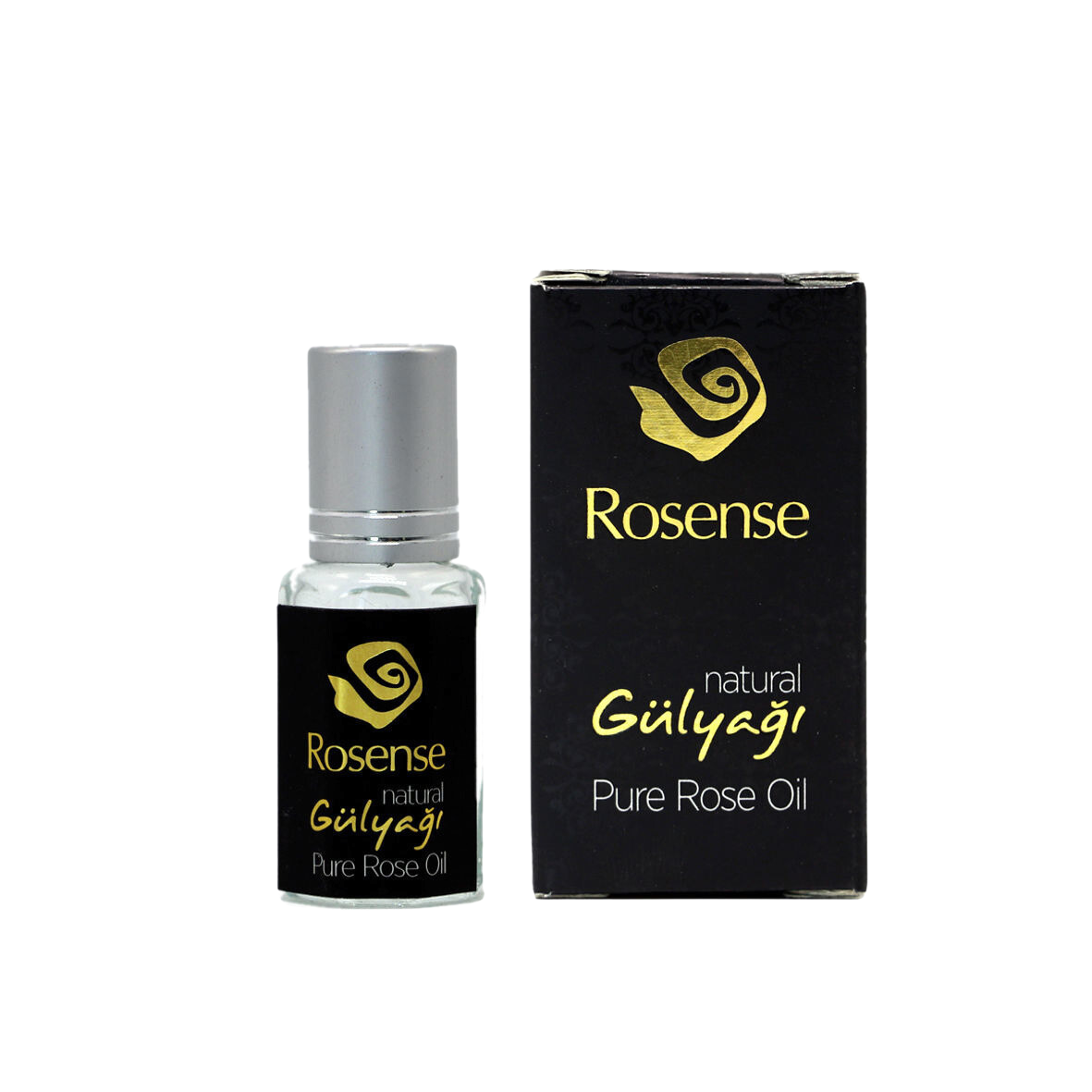 -12%
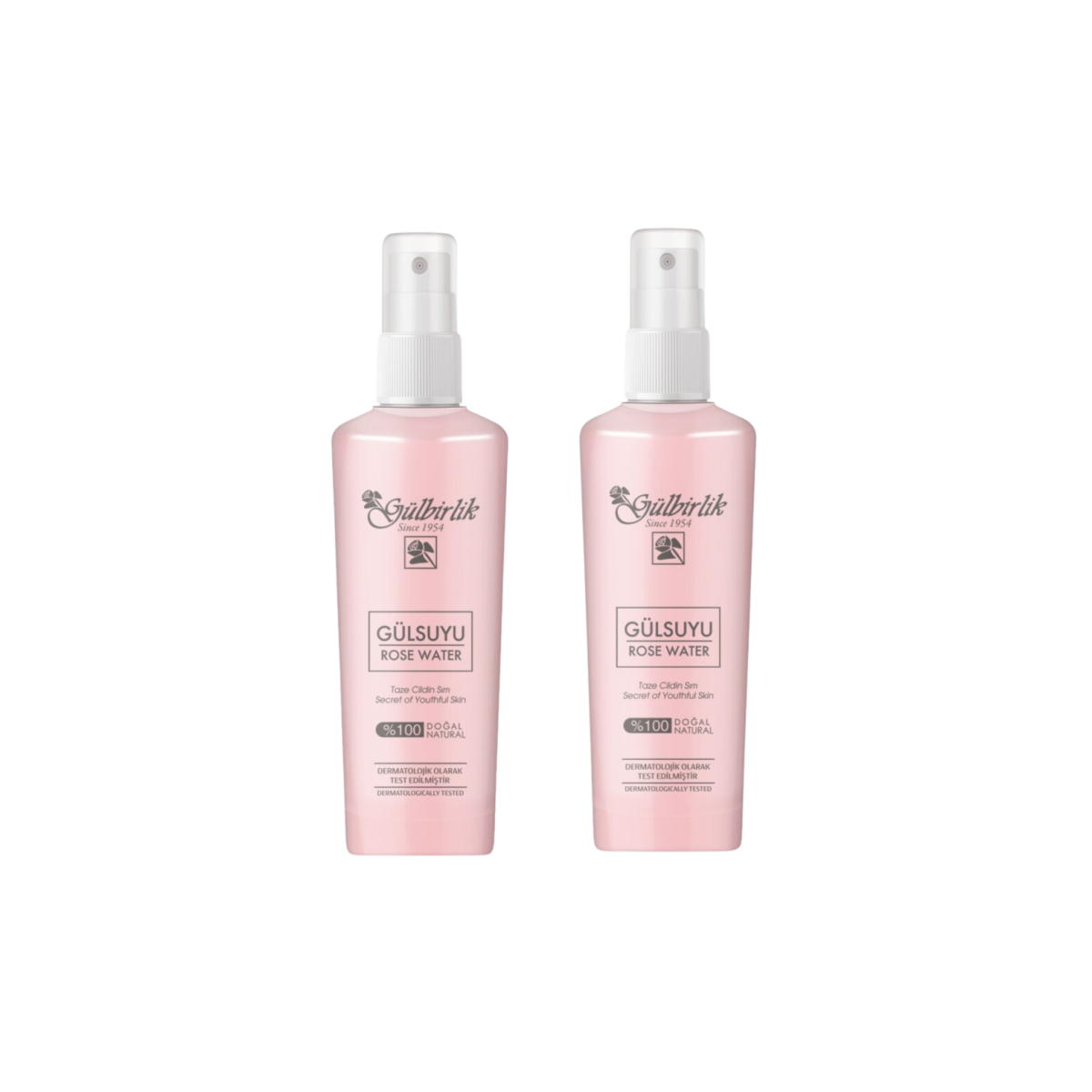
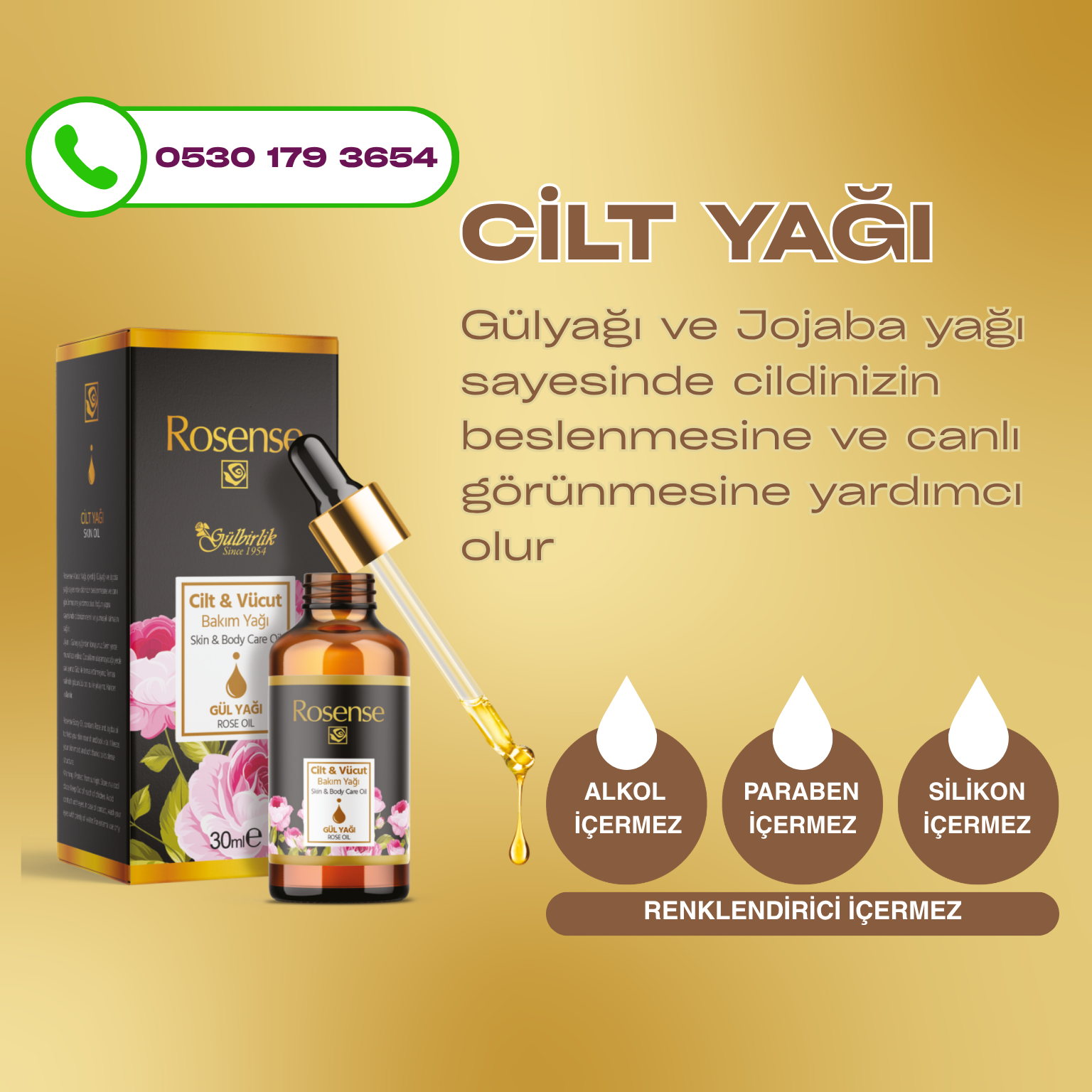 New
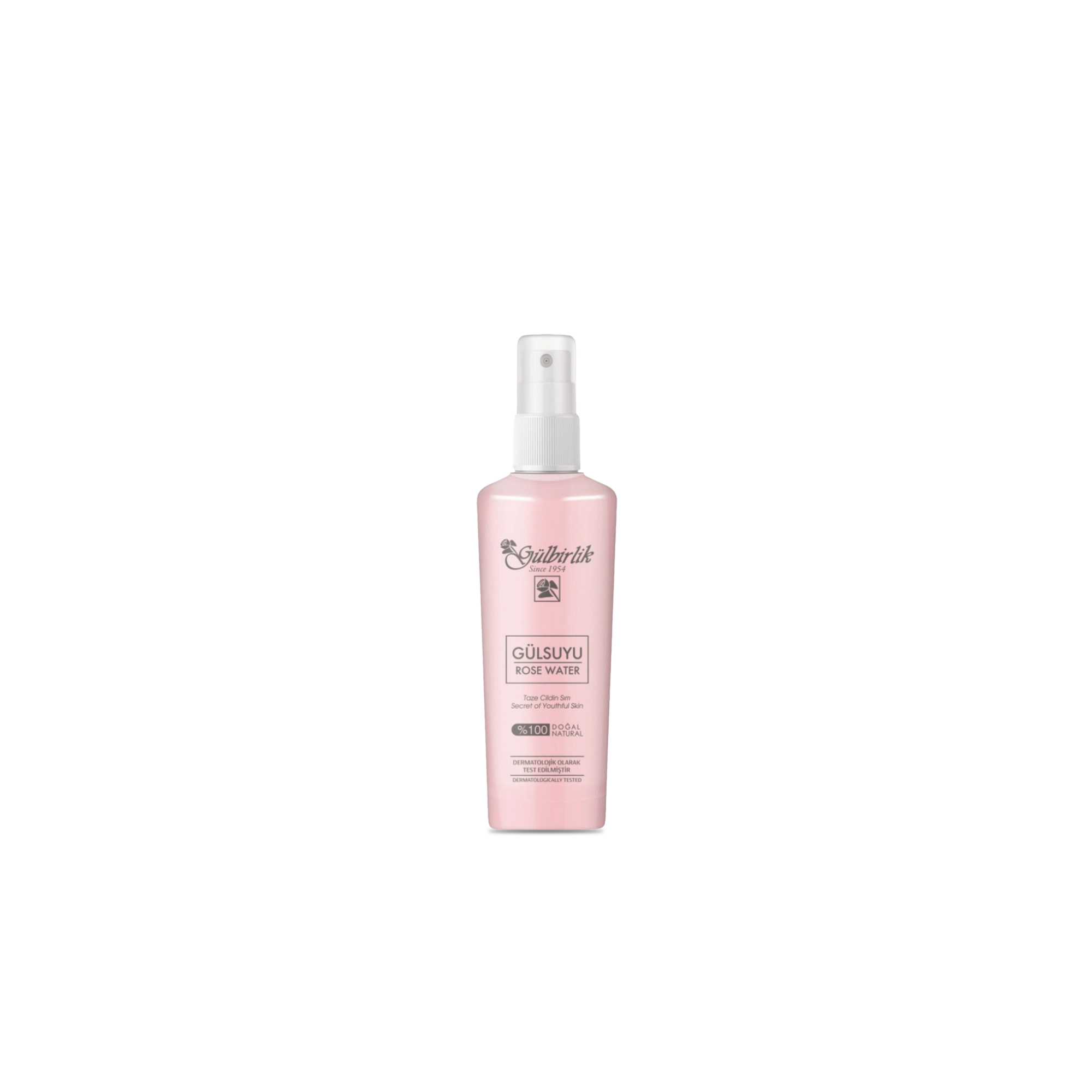 -3%
The Turkish Patent and Trademark Office (TÜRKPATENT), under Industrial Property Law No. 6769. Registered GIs can be searched on TÜRKPATENT’s geographical indications portal.
For a designation of origin, all production stages must take place in the defined region and the product’s characteristics come from that region. For a geographical indication of source, at least one stage must take place in the region and the product’s quality or reputation is identified with it.
Yes. “Isparta Gülyağı” (Isparta Rose Oil) is registered with TÜRKPATENT as a designation of origin. Its EU PDO application was also published in the Official Journal of the European Union in 2025.
Because it takes roughly 3–4 tonnes of hand-picked blossoms to obtain about 1 kg of oil, and the harvest only lasts a few weeks each year.
No. Only products produced according to a registered specification may use the protected name and the emblem. Many cosmetics and foods contain rose water or rose oil as an ingredient — check the label and the producer information.
You can visit the Rosense factory sales store at Süleyman Demirel Cd. No:72, Isparta, or reach us via WhatsApp and phone.
Sources: Industrial Property Law No. 6769; TÜRKPATENT geographical indications portal (ci.turkpatent.gov.tr); Official Journal of the EU, C/2025/1382 (Isparta Gülyağı).
Rose water, rose oil and rose-scented natural products from the heart of Isparta.