
The Isparta Rose: The Story of a Single Drop of Rose Oil
From thousands of blossoms picked at dawn to copper stills and finally a single drop in the bottle: the journey of the Isparta rose and its oil.

In mid-May, mornings in Isparta smell different. Before the sun has risen over the hills, baskets begin to fill in the rose gardens. At the end of this hurried yet patient harvest comes one of the most precious natural scents in the world: rose oil. In this article we follow the Isparta rose from the garden to the bottle.
A journey from Kazanlak to Isparta
The rose grown in Isparta is Rosa damascena, the Damask rose. According to the widely told story, its adventure in Isparta began at the end of the 19th century, in 1888: Müftüzade İsmail Efendi, remembered as “Gülcü” (the Rose Man) İsmail Efendi, brought back the rose growing and distillation methods he had seen in the Kazanlak region of Bulgaria. The first seedlings took so well to Isparta's limestone soil and continental climate that the rose soon became part of the city's identity.
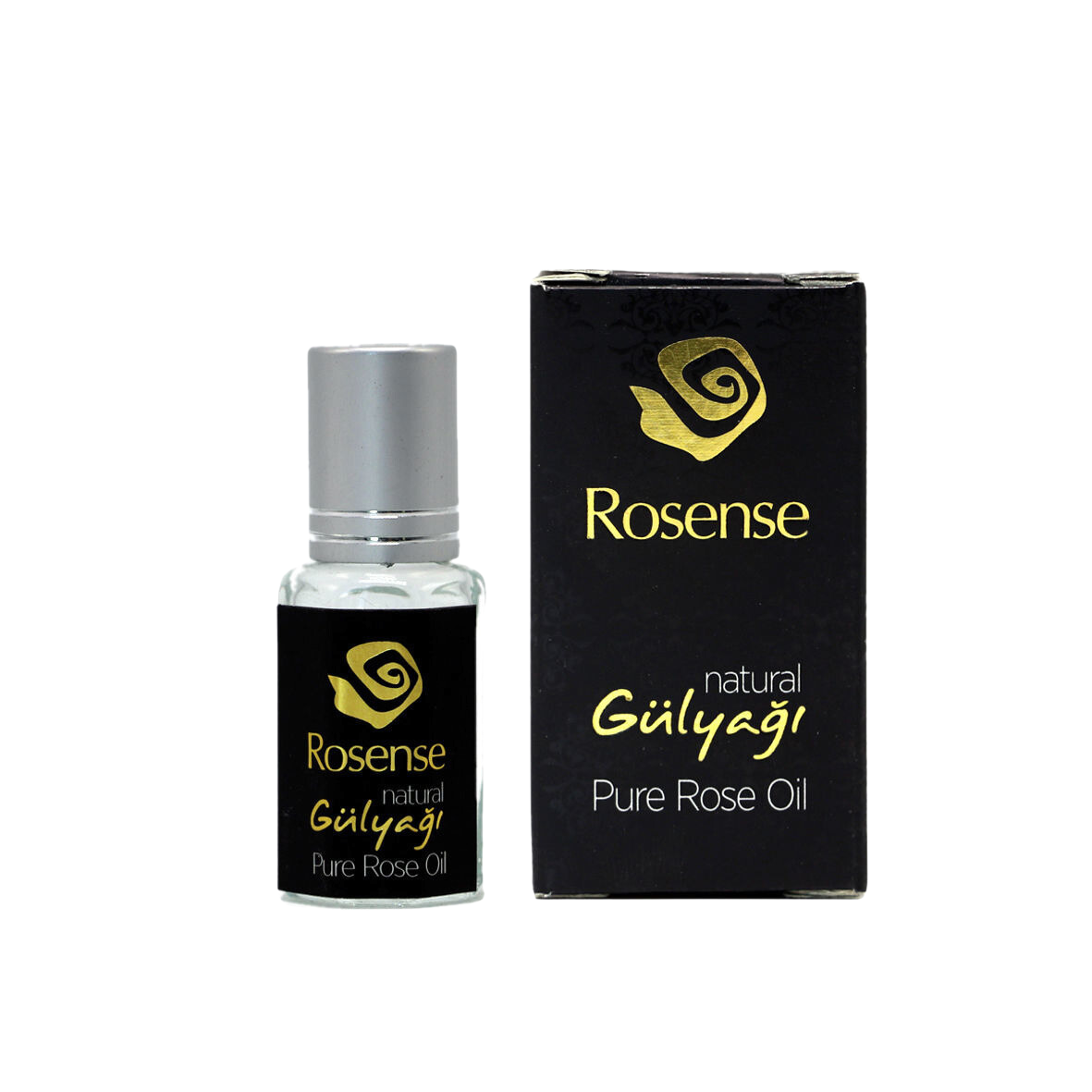
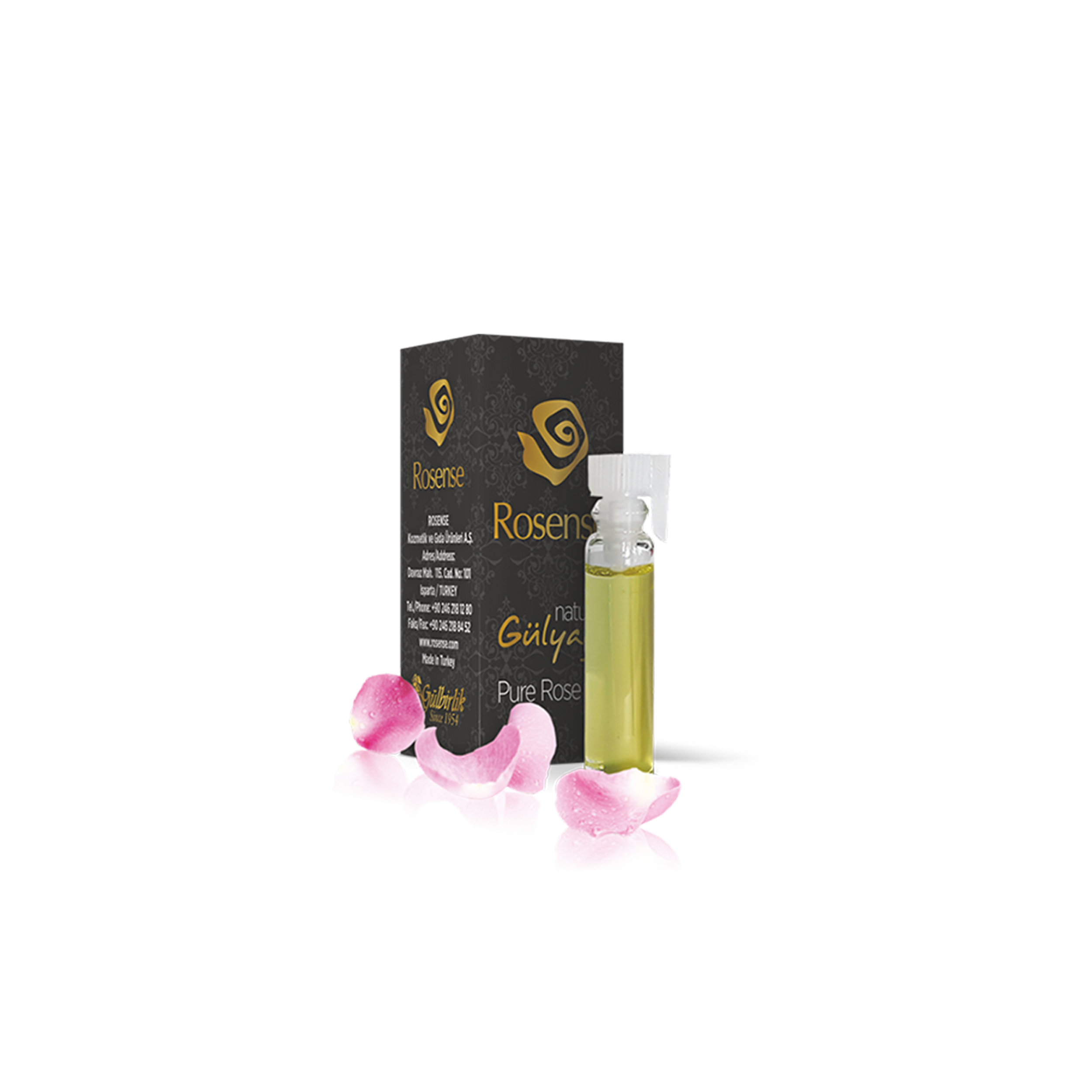
Today Isparta and its surroundings are counted among the world's leading rose oil regions. Gülbirlik, which brings together the region's growers, is a long-established union of cooperatives founded in 1954; its products known under the Rosense brand reflect this heritage.
A harvest that starts at dawn
The rose harvest takes place in a short window, roughly from mid-May to mid-June each year. The flowers are picked one by one by hand in the early morning, before the sun warms them. The reason is simple: the rose's volatile aromatic compounds are most abundant in the cool hours, and as the day warms up some of them evaporate.
The picked flowers must be distilled on the same day, without waiting. That is why, during harvest season, tractors carrying sacks full of roses and growers queuing in front of the distilleries are a familiar sight in the region.
Distillation in copper stills
Rose oil is traditionally obtained by steam / water distillation. The petals are placed in large stills together with water and heated. The rising steam carries the volatile oils of the flowers; passing through a condenser, the steam turns back into liquid. A very thin layer of oil gathers on top of this liquid and is separated: that is rose oil.
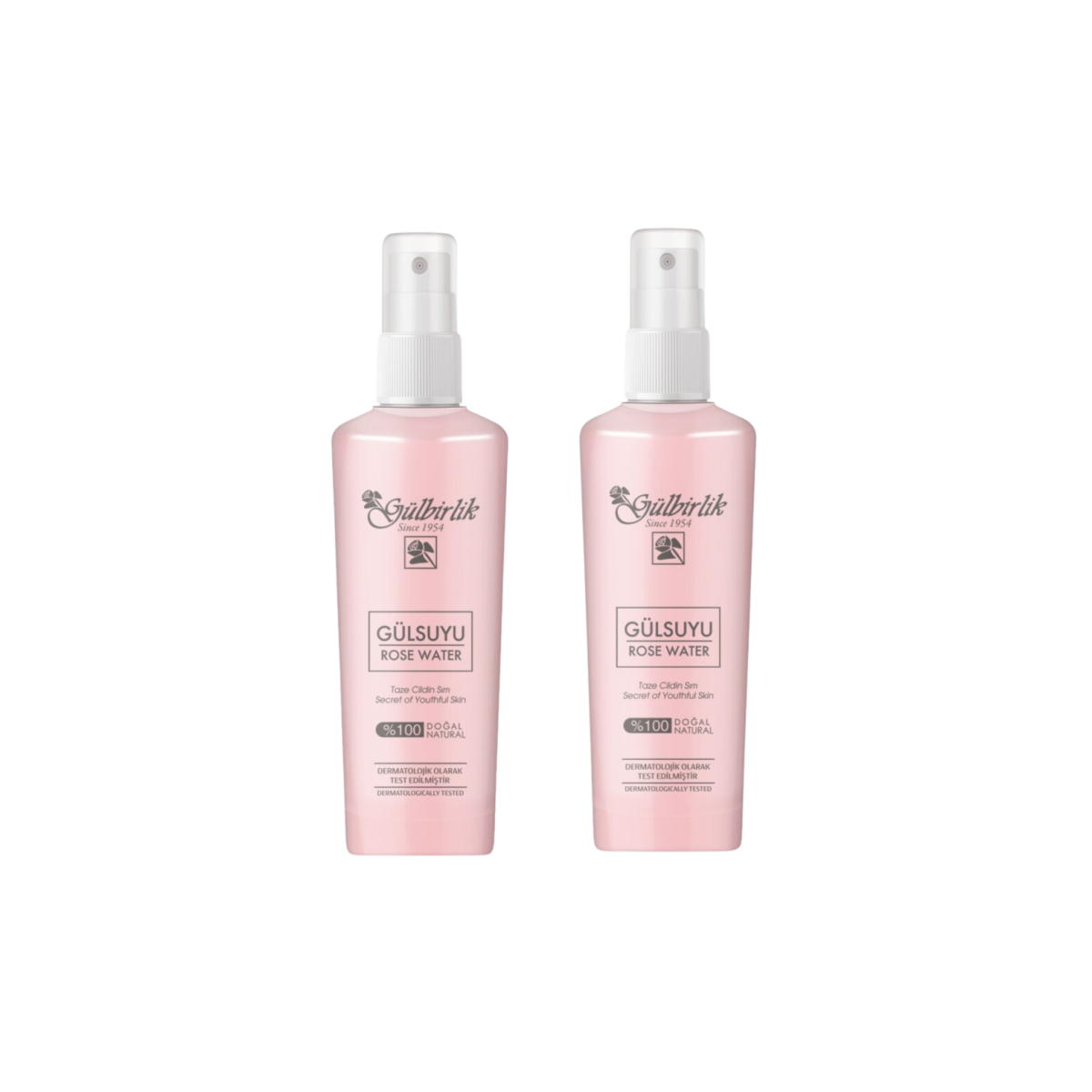
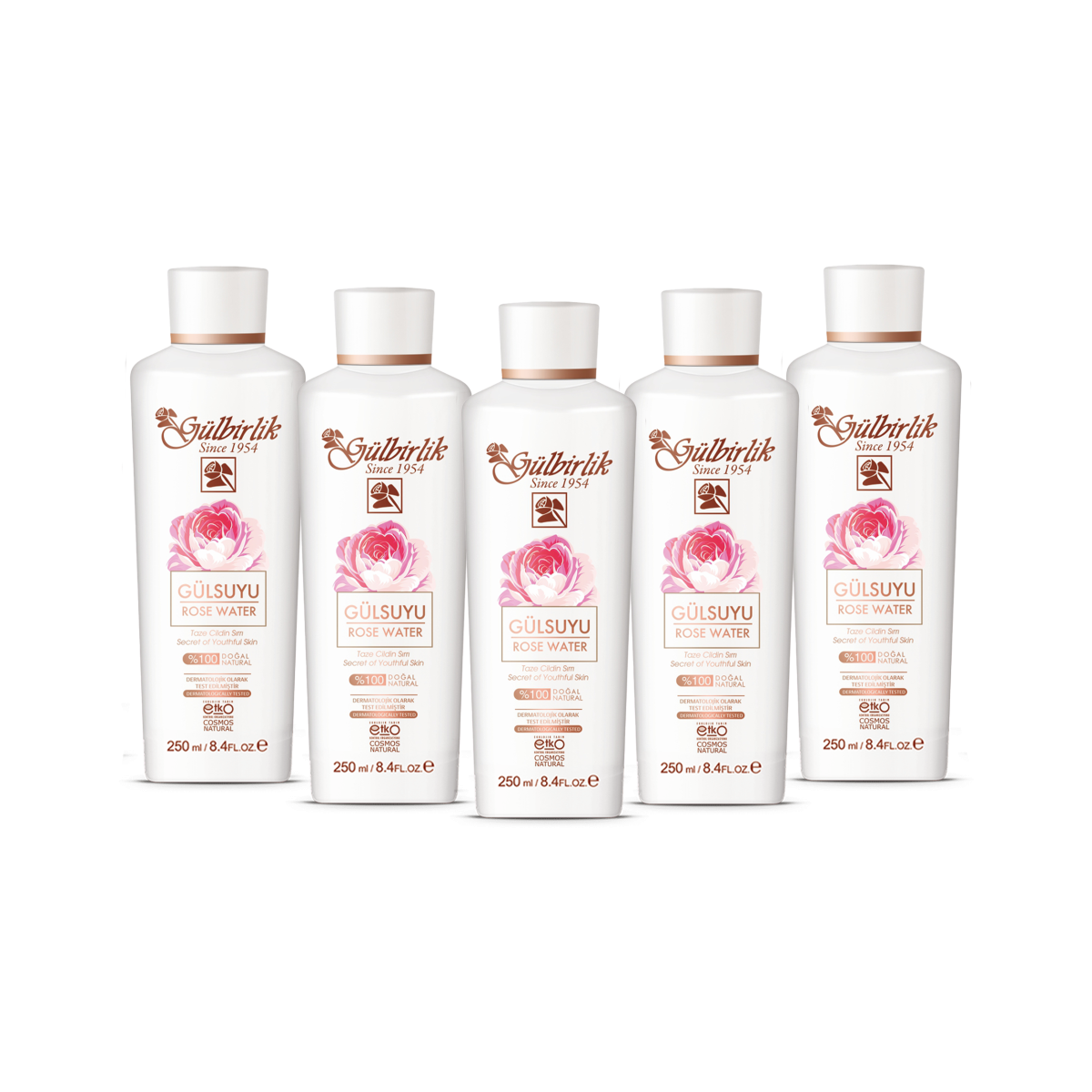
Another lovely product of distillation is rose water. The distillate from which the oil is separated carries the scent and character of the rose and is valued both in cosmetics and, when produced for food use, in the kitchen. In other words, a bottle of rose water is the sibling of rose oil production.
Rose oil should not be confused with rose concrete and rose absolute, which are obtained by solvent extraction. They are produced differently and their scents differ as well.
Tonnes of roses for a single drop
What makes rose oil so precious is its extremely low yield. According to commonly cited figures, about 3–4 tonnes of rose blossoms are needed for 1 kilogram of rose oil. In other words, a single drop in the bottle carries the work of far more than a handful of roses. This ratio can vary from year to year depending on the climate, the timing of the harvest and the quality of the flowers.
An oil that sets in the cold
Rose oil has another interesting property: in a cool room, slightly below room temperature, it turns cloudy and may partly solidify. This is due to waxy components called stearoptenes that occur naturally in rose oil. It is not a sign of spoilage; warm the bottle in your palm for a moment and the oil becomes clear again.
Recognising and storing rose oil
- Read the label: it should clearly say whether the product is pure rose oil or a blend diluted in a carrier oil.
- Prefer dark bottles: light can alter the scent of essential oils over time.
- Store in a cool, dark place and close the cap tightly after each use.
- Do not apply neat to the skin: pure essential oils are highly concentrated. Before using one for personal care, read the product's instructions and try it on a small area first.
From the garden to your home
The story of the Isparta rose is a story of patience, craft and respect for nature. At Gül ve Lavanta we love bringing this heritage to your home. In our store you will find rose water and care products made from Isparta roses, the rose cologne and Turkish delight of our own brand Goca Nuri, as well as Gülbirlik · Rosense products. The next time you breathe in the scent of a rose, remember that it comes from thousands of flowers picked at dawn on a May morning.